Achieving consistent growth and securing high placements in Free Fire requires a profound shift toward deliberate battlefield observation. Many players focus exclusively on their shooting accuracy, yet the true separation between average competitors and top-tier survivors lies in situational mindfulness. Developing sharp perceptual skills allows you to identify hidden pathways and outmaneuver opposing squads before conflicts even begin.
Perfecting Spatial Awareness for Strategic Positioning
Understanding your physical surroundings on the map serves as the foundational stepping stone toward survival longevity. Tracking the layout of the land enables your squad to control high-ground positions and anticipate natural choke points effectively. This geographic advantage shields your team from unexpected crossfire while creating optimal angles for surprise counterattacks.
Paying close attention to nearby buildings and open fields prevents your character from running blindly into hostile ambushes. Utilizing natural cover such as low ridges, dense bushes, and broken vehicles gives you room to reset your health during intense firefights. Consistent environmental observation turns a vulnerable defensive stance into a highly advantageous tactical position.
Reading the Minimap and Audio Visual Cues
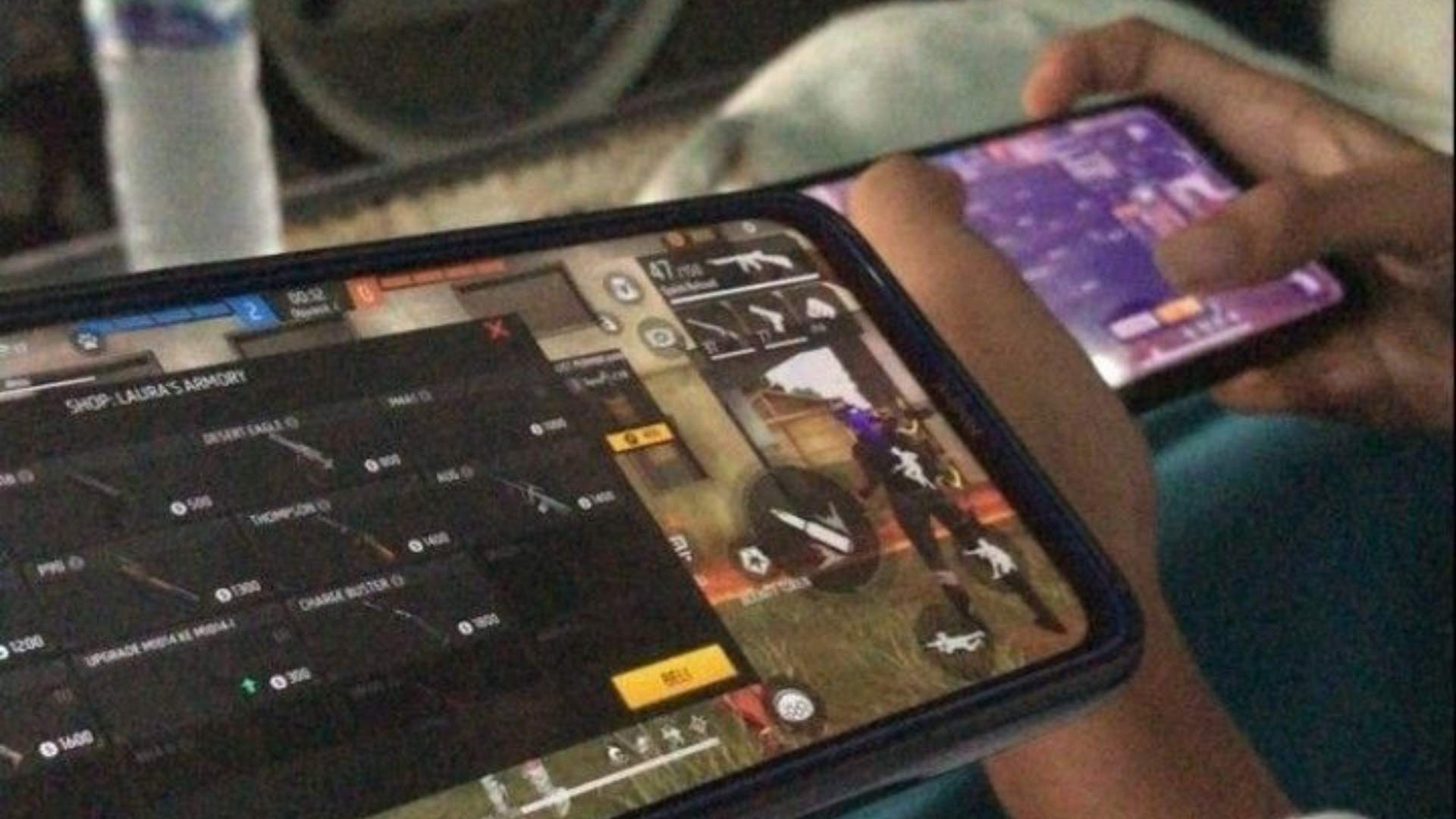
The virtual interface provides a wealth of real-time data that players can instantly translate into tactical advantages. Sound cues such as nearby footsteps or distant vehicle engines pinpoint exact adversary locations long before any visual contact occurs. Attentive tracking of these subtle indicators ensures that your team can prepare defenses before an ambush strikes.
Red markers on the minimap immediately reveal active skirmishes, allowing you to choose whether to engage or rotate safely. Monitoring these combat indicators helps you map out safe zones and plan highly efficient rotation routes across the island. Capitalizing on these real-time visual signals transforms chaotic digital battlegrounds into predictable spaces for calculated victories.
Anticipating Enemy Rotations and Pathing
Predicting where your digital rivals will move next is crucial for establishing dominant defensive boundaries. Most casual competitors instinctively follow the absolute shortest path to the safe zone when the timer starts shrinking. Recognizing these predictable player movements allows tactical squads to set up highly effective ambushes along congested routes.
Evaluating the initial plane trajectory gives you deep insights into potential player distribution across the map compounds. This proactive foresight allows you to avoid crowded zones early while gathering high-tier resources in relative safety. Understanding these movement dynamics ensures your squad always stays one step ahead of the competition during late-game circles.
Cultivating a Composed Mindset for Better Placements
Long-term success on the battlefield relies heavily on maintaining absolute emotional control under intense match pressure. Hesitation during sudden surprise encounters often stems from a fear of losing ranked points or early elimination. Training your mind to view intense firefights as structured puzzles helps preserve clear thinking when chaos erupts around you.
Reviewing historical match failures allows you to isolate weaknesses in your current spatial tracking habits. Deliberate adjustments to your tactical routine build lasting muscle memory and sharpen your survival instincts over time. Embracing this continuous analytical growth ensures steady progression toward mastering every dynamic battle scenario.