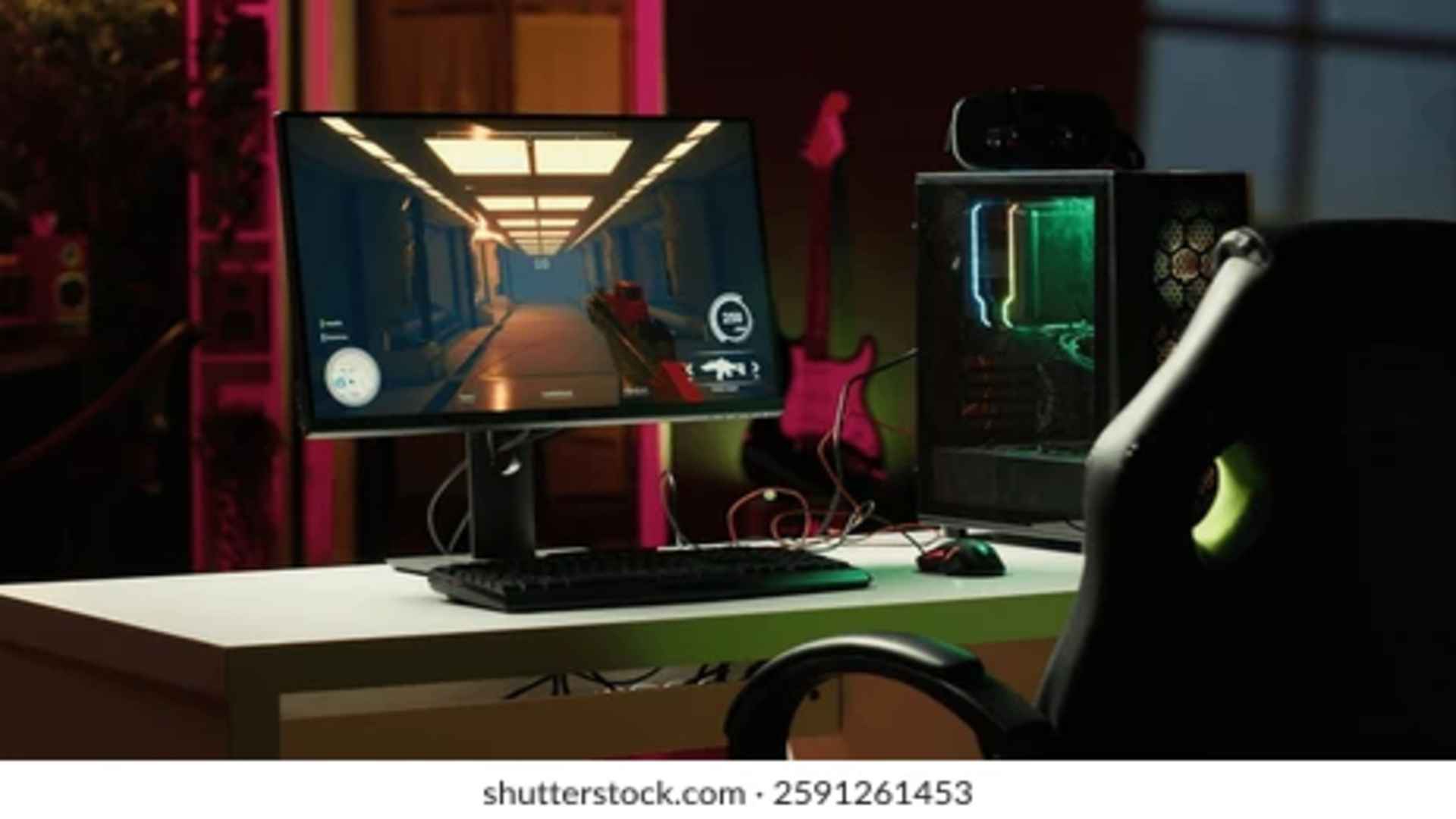
Visual feedback is a fundamental component of modern game design that directly influences how players interact with and understand digital environments. When games provide immediate, intuitive visual responses to player inputs, the overall gameplay experience becomes significantly more seamless and engaging. By clearly signaling successes, errors, and system states, developers can reduce player frustration and foster deeper immersion across various gaming genres.
The Core Role of Visual Cue Systems
Immediate visual signals help players understand the consequences of their actions without requiring lengthy instructions. Bright highlights, screen flashes, or animated interface changes serve as direct confirmation that an input was successfully processed. This instant validation keeps gameplay moving fluidly and minimizes unnecessary cognitive overhead during intense gaming sessions.
Without distinct visual cues, players can easily feel lost or uncertain about whether their choices produced the intended result. Clear feedback loops build confidence, allowing users to focus on strategy and enjoyment rather than interface navigation. Well-designed visual indicators ensure that both novice and experienced players remain aligned with the game's core mechanics.
Reducing Cognitive Load and Confusion
Complex interactive systems often present vast amounts of information simultaneously, which can overwhelm players if not visually structured. Effective visual design uses color coding, contrast, and subtle animations to prioritize critical details over decorative elements. This strategic hierarchy allows players to quickly process high-priority status updates during fast-paced situations.
When interface elements are clutter-free and easy to interpret, user retention and satisfaction improve drastically. Players looking to access platform features, such as completing an m88 casino login register process, benefit from straightforward visual cues that guide them smoothly through account navigation. Clear indicators eliminate guesswork and ensure every step remains transparent and user-friendly.
Building Emotional Engagement and Satisfaction
Visual feedback also plays a vital psychological role by celebrating player accomplishments with dynamic visual rewards. Glowing indicators, particle effects, and cheerful animations turn minor victories into memorable, satisfying moments. These positive visual reinforcements encourage continuous play by creating a rewarding sense of personal progression.
Furthermore, visual feedback provides subtle hints during failure scenarios, helping players learn from mistakes without feeling overly penalized. Clear error indicators or directional cues show users exactly where an action missed the mark, turning frustration into constructive learning opportunities. This balanced feedback dynamic sustains long-term motivation across diverse gaming experiences.
Best Practices for Modern Game Interface Design
Achieving optimal visual feedback requires a subtle balance between clarity and distraction. Designers must ensure that visual effects enhance readability rather than cluttering the screen with unnecessary animations. Utilizing consistent color schemes, recognizable icons, and clean layout patterns establishes a comfortable visual rhythm.
Ultimately, prioritizing visual feedback creates interactive environments that feel responsive, polished, and naturally rewarding. As digital platforms continue to evolve, intuitive interface design will remain a cornerstone of player satisfaction and user retention. Investing in clear visual cues ensures that games remain accessible, engaging, and enjoyable for everyone.